Accounts
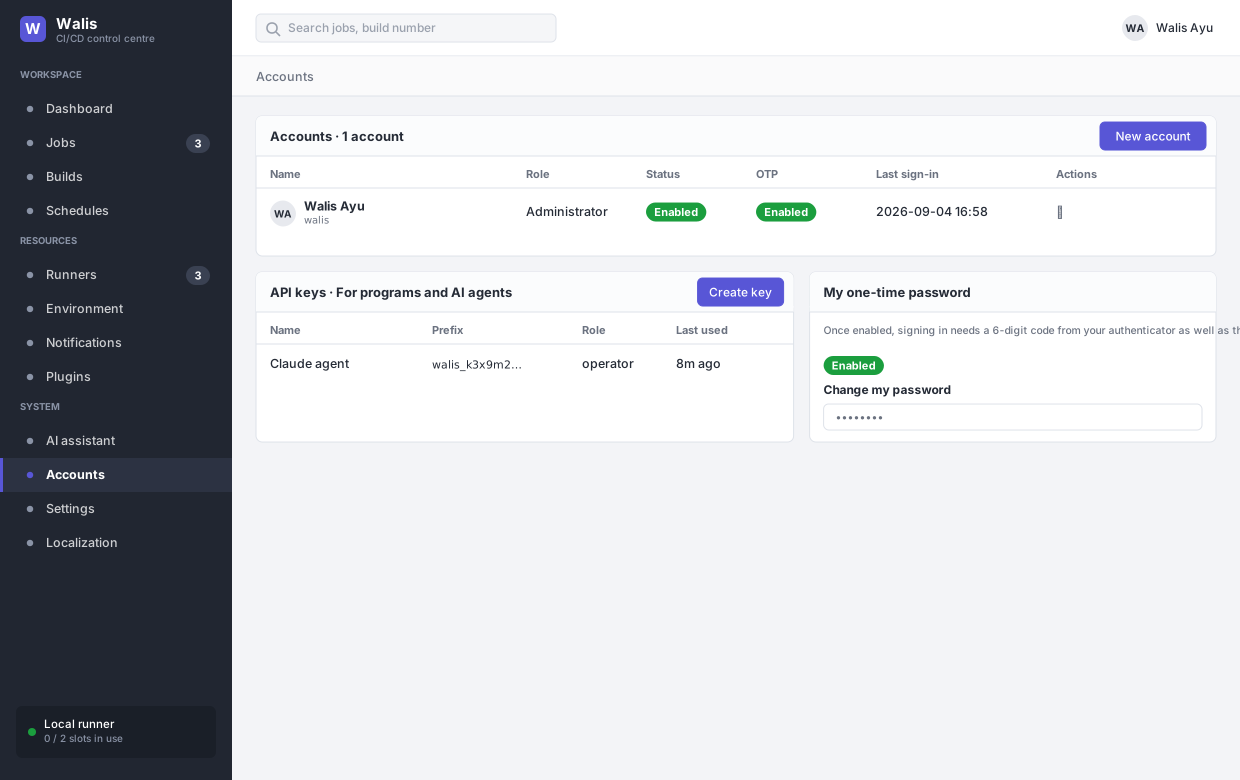
People, roles, one-time passwords and machine keys.
Sign-in must be enabled in Settings → Security for any of this to take effect. Until then everyone is an administrator.
Roles
| Role | Can |
|---|---|
| Viewer | See jobs and builds their role allows. |
| Operator | Also run jobs. |
| Administrator | Everything, including settings, accounts and installing plugins. |
Those are defaults. Each job additionally carries its own view role and run role, so a deployment job can be administrator-only while everything else stays visible. A job you cannot see returns 404, not 403 — the identifier does not confirm it exists.
Passwords
Stored as PBKDF2-SHA256. Sessions live in a database table, so signing out invalidates server-side rather than just dropping a cookie. Minimum length is eight characters.
One-time passwords
TOTP, enrolled per account, with backup codes you can regenerate. Once Require OTP for all accounts is on, an account that has not enrolled can still sign in — but cannot turn OTP off.
API keys
For programs and AI agents. Format:
walis_<prefix>_<secret>- Only a PBKDF2 hash is stored. The plaintext is shown once, at creation.
- The prefix is what the lookup uses; it is not secret.
- A key carries a role, and
AuthenticationMiddlewaresynthesises a session from it.HasOtpis treated as true — a machine cannot produce a one-time password. - A key cannot create another key. Escalation via a leaked key stops there.
Keys can be disabled without deleting them, which keeps the audit trail intact. Last used is the fastest way to find keys nobody needs any more.
Deleting accounts
Walis refuses to delete the last account. If it did not, enabling sign-in with no accounts left would lock everyone out of a service that has no password-reset path.